



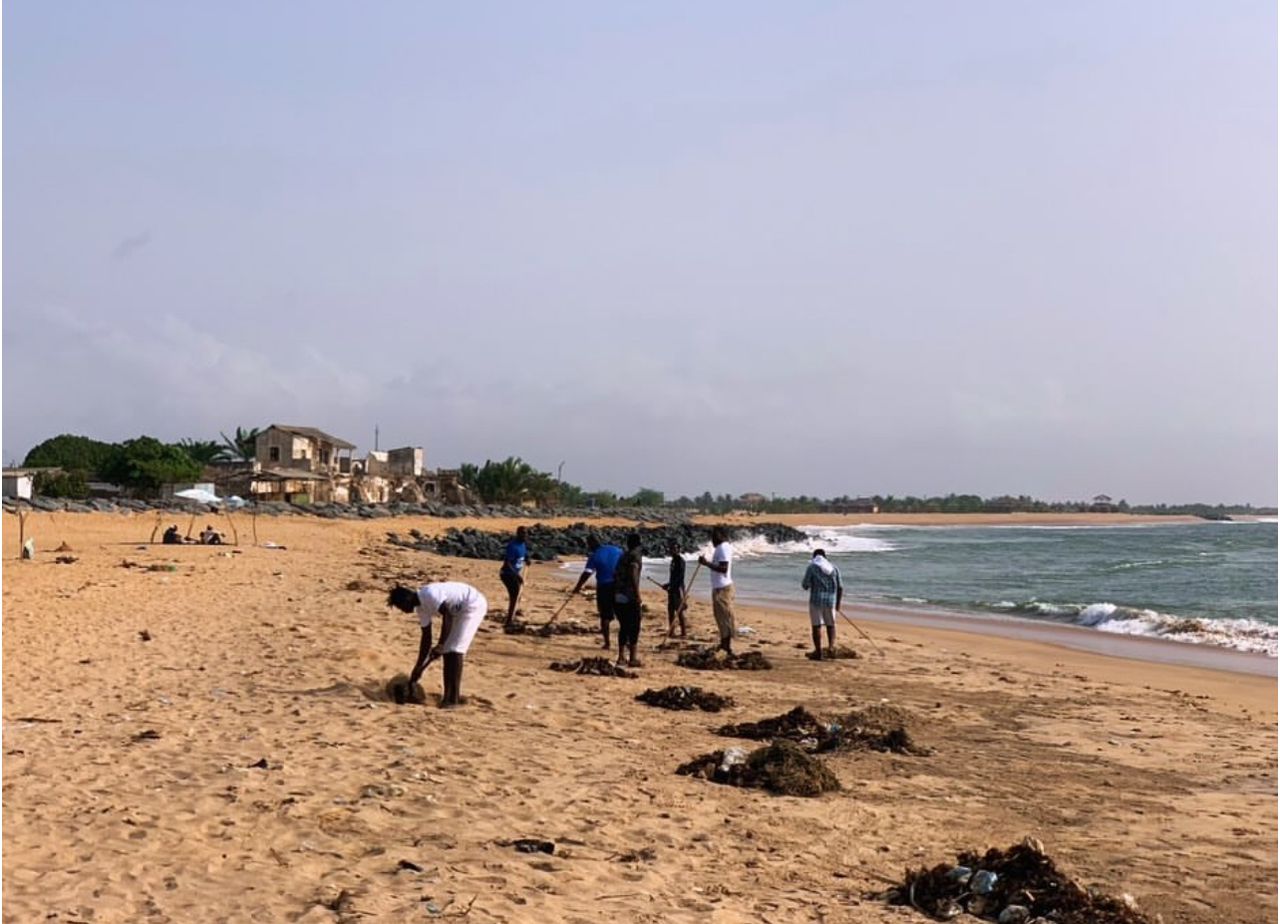
Water Is Life. We Protect It.
Ghana's rivers, lakes, lagoons, and coastline are not just beautiful — they are the lifeblood of millions of people. Communities depend on clean water for drinking, farming, fishing, and spiritual practice. Yet pollution, illegal sand winning, industrial waste, and climate change are destroying these vital resources at an alarming rate.
Tbern Foundation's Water Bodies Preservation programme takes a comprehensive approach — combining community mobilisation, policy advocacy, direct clean-up action, and long-term monitoring to reverse this damage.
- Regular water quality testing and public reporting
- Community-led river and beach clean-up campaigns
- Anti-illegal-dumping education and enforcement advocacy
- Wetland mapping and conservation planning
- Fishermen and farmer watershed stewardship training
What Is Destroying Ghana's Water
Tonnes of single-use plastic enter Ghana's rivers and ocean daily, killing wildlife and contaminating drinking water sources.
Unregulated sand extraction destroys riverbeds, accelerates erosion, and disrupts aquatic ecosystems throughout Ghana.
Illegal small-scale mining dumps mercury and toxic chemicals directly into rivers, rendering water supplies dangerous for entire communities.
Changing rainfall patterns are causing rivers to dry up seasonally, threatening water security for farming and drinking in northern Ghana.
Water Bodies We Protect
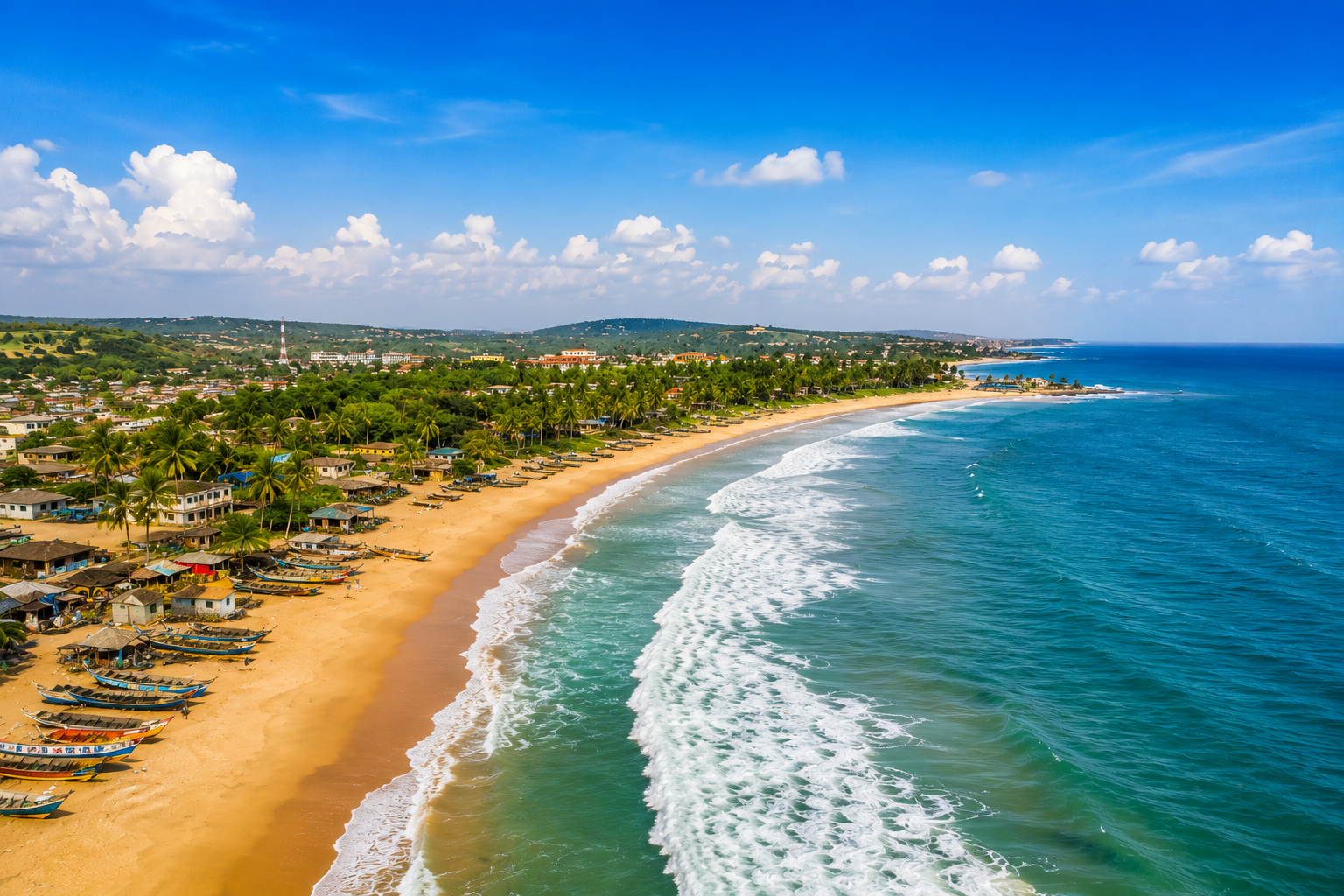
Regular beach clean-ups, plastic collection campaigns, and anti-sand-winning advocacy along Ghana's 550km coastline — protecting fishing communities and marine ecosystems from pollution and erosion.

Working with riparian communities to monitor water quality, remove illegal dumps, prevent galamsey contamination, and restore riverside vegetation that filters runoff and stabilises riverbanks.

Ghana's coastal lagoons and internationally recognised Ramsar wetland sites are biodiversity hotspots under severe threat. We map, monitor, and advocate for their legal protection and community stewardship.

Protecting the drinking water reservoirs and lakes that rural communities depend on — through clean-up drives, catchment area tree planting, and training community water guardians.
How We Protect Water
Organising regular community-led cleanup events that remove tonnes of plastic and waste from Ghana's rivers, beaches, and lagoons every year — while educating participants on preventing future pollution.
Regular water quality testing at key sites, with public results published to hold polluters accountable and inform community decision-making about safe water use and fishing practices.
Engaging the EPA, District Assemblies, and Parliament to strengthen enforcement of environmental laws protecting Ghana's water bodies from illegal dumping, sand winning, and mining contamination.
Protect Ghana's Blue Lifeline
Clean water is not a privilege — it is a right. Help us preserve Ghana's rivers, lakes, and coastline for every community that depends on them.